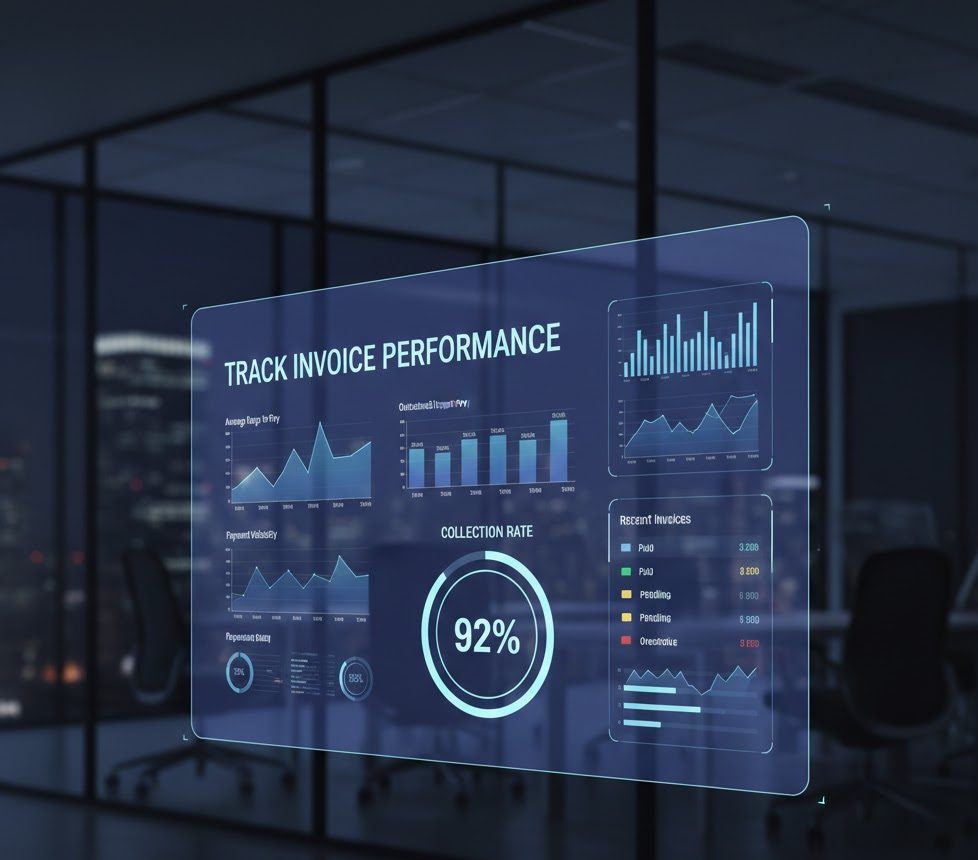
Tracking invoice performance can be a challenge for many businesses, especially small teams or those without the technical resources to manage complex dashboards. As your business grows, keeping track of payments, outstanding invoices, and payment statuses becomes increasingly important for maintaining healthy cash flow and financial stability. However, for many companies, relying on intricate tools with complicated reporting systems can often feel overwhelming and time-consuming.
Managing invoices doesn’t need to be complicated. Having a simple, effective way to track invoice performance ensures that your team stays on top of payments, reduces errors, and improves overall efficiency without getting bogged down by complex systems. Simplified invoice tracking methods allow businesses to focus on what matters most growing and scaling without losing sight of their financial health.
Are you overwhelmed by the complexity of tracking invoice performance? Do complex dashboards keep you from staying on top of your invoicing data? If so, this guide will help you simplify your invoicing process and provide actionable insights on automated invoicing systems, real-time data syncing for invoices, and simplified tracking tools to enhance efficiency and accuracy.
Tracking invoice performance through complex dashboards may seem like an effective solution, but it can introduce more challenges than benefits, especially for businesses with limited resources. For small teams or businesses without dedicated data teams or technical experts, navigating intricate dashboards can quickly become a source of frustration and inefficiency.
One of the most common issues businesses face with complex dashboards is data overload. Dashboards often provide a vast amount of data in one place—metrics on payment status, unpaid invoices, customer history, and financial reports—but without proper guidance, this information can become overwhelming. For teams that don’t have the time or expertise to dig through layers of data, identifying key insights becomes an exhausting task. Too much data can drown out the critical metrics that businesses need to focus on, such as aging invoices or payments due.
Complex dashboards are often filled with complicated charts, graphs, and tables, which can be difficult to interpret, especially for finance teams without specialized training in data analytics. Metrics like Days Sales Outstanding (DSO), payment cycles, and invoice aging are essential to understanding invoice performance, but if these key metrics are buried under a sea of other data, it can be confusing for businesses to quickly assess their financial situation. Without a clear focus on actionable insights, teams might spend more time deciphering their data than actually using it to make informed decisions.
For businesses that lack technical expertise, setting up and managing complex dashboards can be time-consuming and often involves constant tweaking and troubleshooting. Integrating multiple systems like payment processors, accounting software, and CRM platforms into a unified dashboard requires significant effort. Moreover, maintaining these integrations and ensuring they work seamlessly can be a full-time job, draining resources that could be better used elsewhere. Without dedicated IT or data teams, businesses often struggle to keep their dashboards updated, leading to inaccurate reporting and delayed invoicing insights.
Many complex dashboard systems are designed with technical users in mind, not the everyday business user. This often leads to user-unfriendly interfaces that make accessing critical invoice data difficult. Non-technical users might find it challenging to extract the data they need or customize the dashboards to highlight the metrics that matter most. Inaccessible data whether it’s locked behind complex filtering options or buried under multiple tabs can lead to frustration, and businesses may miss out on valuable opportunities to address overdue invoices or track financial trends.
Before diving into how to track invoice performance, it’s important to first understand what invoice performance actually means. In simple terms, invoice performance refers to how effectively a business manages its invoicing process. It encompasses key metrics that assess the timeliness, accuracy, and efficiency of the billing and payment cycle. These metrics provide valuable insights into cash flow, customer payment behavior, and overall financial health.
Tracking invoice performance is essential for businesses aiming to improve their financial processes, minimize billing delays, and enhance their cash flow. By measuring and understanding these performance indicators, businesses can optimize their invoicing system and take timely action when issues arise.
Key Performance Indicators (KPIs) for Tracking Invoice Performance
1. Days Sales Outstanding (DSO)
DSO is one of the most critical KPIs for measuring the effectiveness of the invoicing and payment process. It refers to the average number of days it takes for a business to collect payment after an invoice is issued.
Example:
If your DSO is high, it may indicate inefficiencies in your invoice follow-up process or delayed payment processing.
This KPI measures the average time it takes for customers to pay their invoices once they are issued. It helps businesses determine whether customers are paying within the agreed-upon terms.
Example:
If customers consistently take longer than 30 days to pay, businesses might need to implement strategies like early payment discounts or payment reminders to encourage timely payments.
The invoice dispute rate measures the percentage of invoices that are contested by customers. Disputes can arise due to various reasons, such as incorrect charges, billing errors, or disagreements over terms.
Example:
If your dispute rate is high, consider improving your invoice accuracy and communication to resolve issues proactively before they lead to disputes.
This KPI compares the total amount billed to the total amount collected over a certain period. It helps businesses assess whether they are effectively converting billed amounts into actual revenue.
Example:
If the gap between billed and collected amounts is wide, this may indicate that invoicing is not being followed up properly or there are delays in customer payments.
Cash flow from invoicing refers to the actual movement of cash into the business as a result of invoicing activities. This metric tracks how effectively a business’s invoicing process contributes to its overall cash flow.
Example:
Tracking cash flow from invoicing ensures that the invoicing process directly contributes to maintaining liquidity and supporting operational needs.
As businesses grow, the importance of tracking invoice performance becomes increasingly vital. For small to medium-sized companies or startups, simplicity in tracking invoices is crucial. The complexity of managing invoicing systems with multiple tools and software can overwhelm teams, especially when they lack the time or resources for advanced reporting systems. The right approach to tracking invoice performance can make the difference between smooth operations and bottlenecks in cash flow.
1. Better Visibility with Simpler Tracking
One of the main reasons simplicity is essential in tracking invoice performance is the clearer visibility it offers. When businesses use basic tools or user-friendly software to track invoices, they can quickly see where they stand in terms of outstanding invoices, payment statuses, and overdue amounts. The simplicity of a well-organized tracking system allows business owners and finance teams to stay on top of their financial status without sifting through overwhelming data points.
Example:
A business using a basic report in QuickBooks or Google Sheets to track invoice statuses has quick access to real-time information without navigating through complex dashboards or advanced analytics. A color-coded system in Google Sheets or a simple report in QuickBooks can highlight overdue invoices, making it easy to act on them promptly.
When businesses use simplified invoice tracking methods, they reduce the time spent on manual updates and ensure that key data is always accurate. Complex reporting tools often require a lot of maintenance, as they may need regular updates and fine-tuning to remain useful. On the other hand, simpler tracking tools are more straightforward, allowing teams to easily input and update data without the risk of errors or system overload.
Example:
With an automated reminder system like Retenva, businesses can easily track overdue invoices without having to manually check or update the status each time. Retenva’s automated features send reminders for overdue invoices and update statuses automatically, saving time and reducing human error.
For many small and medium-sized businesses, time is money. The more time finance teams spend manually tracking and following up on invoices, the less time they have for critical tasks like customer support, financial analysis, and business growth initiatives. By using automated solutions or even basic manual logs, businesses can save considerable time and effort.
Example:
Retenva automatically tracks overdue invoices and sends payment reminders to clients, allowing finance teams to focus on strategic decision-making. In addition, businesses using Google Sheets or Excel to log invoices can maintain a simple yet effective system with minimal manual effort.
When invoice tracking is simple and transparent, it becomes much easier for teams to communicate with each other and with clients. Complex systems often create confusion, making it difficult for team members to access the information they need or for clients to understand the status of their invoices.
By keeping the tracking process straightforward, businesses can ensure that everyone—finance teams, accountants, and clients are on the same page when it comes to invoice status. This transparency leads to better communication, fewer misunderstandings, and ultimately, faster payments.
Example:
Retenva’s automated reminders ensure that clients are always informed of their outstanding invoices, reducing the back-and-forth communication between the business and the client. This helps maintain a professional relationship and encourages timely payments.
Using simpler methods to track invoices also significantly reduces the risk of errors. Complex dashboards or manual systems that rely heavily on human input can lead to mistakes whether it’s a missed payment, incorrect invoice amount, or duplicate entries. By adopting simpler, more streamlined methods, businesses can reduce these risks.
Example:
Retenva’s automated system minimizes the risk of manual errors by automatically updating invoice statuses and sending reminders, ensuring accurate records without the risk of forgetting or overlooking critical tasks.
While simplicity is important now, businesses must also keep scalability in mind. As your business grows, your invoice tracking system should be able to scale accordingly. Simpler systems often offer flexibility, making it easier to add more invoices, clients, and features as the business expands.
Example:
As a business grows, Retenva can continue to scale with it, handling more invoices and clients without needing a complete system overhaul. It also provides real-time data syncing, ensuring that all invoicing data is up-to-date and accessible across platforms, facilitating better decision-making as the business expands.
Tracking invoice performance is essential for ensuring that your business receives timely payments and maintains healthy cash flow. However, managing this task doesn’t need to be complex. For small to medium-sized businesses, particularly those without the resources to manage complex dashboards, there are simpler, yet effective ways to monitor and optimize invoice performance. Below are several actionable methods that can help streamline the process, improve accuracy, and save time.
For businesses looking to track invoice performance without diving into complex analytics or third-party dashboards, using basic reporting features available in accounting software is a simple and effective solution.
QuickBooks, Xero, and FreshBooks all offer built-in reporting tools that provide valuable insights into invoicing and payment trends without the need for external tools. These platforms often include aging reports, income statements, and balance sheets, which are essential for tracking overdue invoices, unpaid balances, and payment histories.
Key Reports to Use:
Actionable Tip:
Set up automated monthly or weekly reports to give you a quick snapshot of invoice status and payment trends. This is a low-maintenance approach that ensures you have a consistent view of your finances.
Automated invoicing tools like Retenva help businesses track invoice performance with minimal effort. Retenva automatically sends payment reminders and updates invoice statuses based on payment activity, making it a simple solution for businesses looking to stay on top of overdue invoices without manual tracking.
Using email reminders and payment tracking tools can significantly reduce the need for complex dashboards and manual follow-ups. Automated alerts can notify customers when their payment is due or overdue, reducing the chances of missed payments and improving cash flow. These tools also update invoice statuses automatically, so you’re always aware of which invoices are still pending and which have been paid.
How It Helps:
Actionable Tip:
Integrate Retenva’s automated invoicing and reminders with your existing systems to simplify your invoice tracking and ensure timely payment follow-ups.
For businesses that prefer a hands-on approach without investing in complicated software, Google Sheets or Excel can be excellent tools for tracking invoice performance. Spreadsheets are flexible, easy to use, and require no technical expertise to set up. With the right templates, you can manually track key KPIs (Key Performance Indicators) related to your invoices.
What to Track in Spreadsheets:
Actionable Tip:
Create an easy-to-follow template for tracking overdue invoices and payments. Use simple formulas in Google Sheets or Excel to calculate averages like payment time and dispute rates. This approach allows you to have a customized, manual method for tracking invoice performance without complex tools.
Many businesses already use CRM systems like Salesforce or HubSpot for managing customer relationships, but did you know these tools can also be used to track invoice performance? Instead of relying on complex invoicing systems, businesses can track invoice statuses directly within their CRM, providing a centralized view of client activity and financial data.
Most CRM systems allow you to add custom fields for invoicing details, such as:
By tracking invoices in the same system that manages customer interactions, you ensure consistent data and improve customer communication regarding unpaid invoices.
How It Helps:
Actionable Tip:
Add custom fields related to invoices within your CRM to track payment status and due dates. This can streamline the process, especially for businesses with long-term client relationships that require ongoing invoice tracking.
Tracking invoice performance is crucial for businesses aiming to maintain healthy cash flow, reduce billing delays, and improve financial efficiency. By adopting a few best practices, businesses can streamline the invoicing process, ensure payments are collected on time, and stay on top of overdue invoices. Below are some actionable strategies that can help businesses track invoices efficiently while keeping things simple and organized.
Consistency in tracking invoice performance is essential for staying on top of outstanding payments and overdue invoices. One of the simplest ways to achieve this is by setting up weekly or monthly reviews of key invoice performance metrics. This could include checking the aging report, monitoring Days Sales Outstanding (DSO), and identifying any overdue invoices that need follow-up.
By setting aside dedicated time each week or month to review invoice performance, businesses can avoid late payment surprises and take proactive action when invoices are overdue.
Actionable Tip:
Set a weekly or monthly calendar reminder for reviewing invoice performance metrics. This will keep your team accountable and ensure timely follow-ups, avoiding cash flow disruptions.
Manual tracking can be time-consuming and prone to errors. To improve efficiency, businesses should consider using automated tools that help track overdue invoices and trigger reminders. Tools like Retenva can automatically track invoice statuses, send payment reminders, and notify teams about unpaid invoices.
With automated tools, businesses can ensure real-time visibility into outstanding payments without having to manually check each invoice or payment status. Automated systems also reduce the risk of missing invoices and late payments, allowing finance teams to stay focused on higher-value tasks.
Actionable Tip:
Set up automated payment reminders through platforms like Retenva to reduce manual work. Automating follow-ups ensures that overdue invoices are promptly addressed, improving overall cash flow.
One of the most effective ways to improve payment cycles is by setting clear payment terms upfront. Payment terms should be clearly communicated on every invoice and agreed upon before the transaction. Whether it’s net 30, net 60, or another term, having transparent expectations helps prevent confusion and delayed payments.
By establishing clear payment terms, businesses reduce misunderstandings and can enforce payment deadlines more effectively. Clear terms also encourage customers to prioritize payments, knowing that late fees or reminders could follow if the payment is overdue.
Actionable Tip:
Include payment terms clearly on every invoice. For example: “Payment due within 30 days of invoice date,” and consider offering early payment discounts as an incentive for faster payments.
By consistently tracking invoice performance, businesses can start to identify payment patterns and customer behavior. This allows businesses to segment customers into categories, such as those who pay on time, those who frequently pay late, and those who dispute invoices. Understanding these patterns gives businesses valuable insight into how they should handle future invoices.
For instance, customers who regularly pay late may need a gentler follow-up approach or might benefit from payment reminders ahead of the due date. Similarly, customers who always pay on time could be rewarded with incentives or special terms to foster strong relationships.
Actionable Tip:
Use your accounting software or CRM system to track customer payment patterns and tailor your approach accordingly. Set up automated reminders based on past payment behavior.
Most accounting and invoicing software offers built-in reporting tools that provide real-time data on invoice performance. These reports can show the total amount billed, the total amount collected, and outstanding invoices. They can also track the average time it takes for customers to pay.
Regularly reviewing these reports ensures that your business is aware of the status of its accounts receivable and gives you the ability to take proactive action before payments become overdue. This is particularly useful for monitoring long-term payment trends and making adjustments to invoicing or payment terms accordingly.
Actionable Tip:
Take advantage of the reporting features in tools like QuickBooks, Xero, or Retenva to track invoice performance regularly. Set up automatic weekly or monthly reports so you can identify and address late payments before they become problematic.
Maintaining clear communication with customers is key to ensuring timely payments. Regularly follow up with customers on outstanding invoices, especially if the payment deadline is approaching. Often, customers may forget about an invoice or overlook it, so a gentle reminder can encourage prompt action.
It’s essential to have a consistent follow-up schedule that includes emails or phone calls to remind customers of their payment obligations. By staying top of mind, you increase the chances of collecting payments on time.
Actionable Tip:
Create a follow-up schedule based on invoice due dates. Use email templates to streamline communication and ensure consistent messaging across all custo
Tracking invoice performance is one of the most important steps businesses can take to maintain steady cash flow and ensure payments are coming in on time. But the process doesn’t have to involve complicated dashboards, overwhelming analytics, or expensive reporting systems. In fact, many businesses achieve better results by focusing on simplified invoice tracking methods that are easier to manage and more actionable.
By using basic reports from accounting software, maintaining simple KPI tracking, and relying on automated reminders, businesses can stay on top of overdue invoices without wasting time on unnecessary complexity. These approaches help reduce human error, improve payment follow-ups, and provide clearer visibility into invoice health all while keeping workflows efficient and organized.
The key is consistency and automation. When invoices are tracked regularly and payment statuses are updated automatically, businesses can reduce billing delays, improve customer communication, and strengthen overall financial performance.
If you want an easier way to manage this process, consider using Retenva. Retenva helps businesses automate invoicing, send smart payment reminders, and enable real-time data syncing for invoices, so you always know what’s been paid, what’s overdue, and what needs attention without relying on complex dashboards.